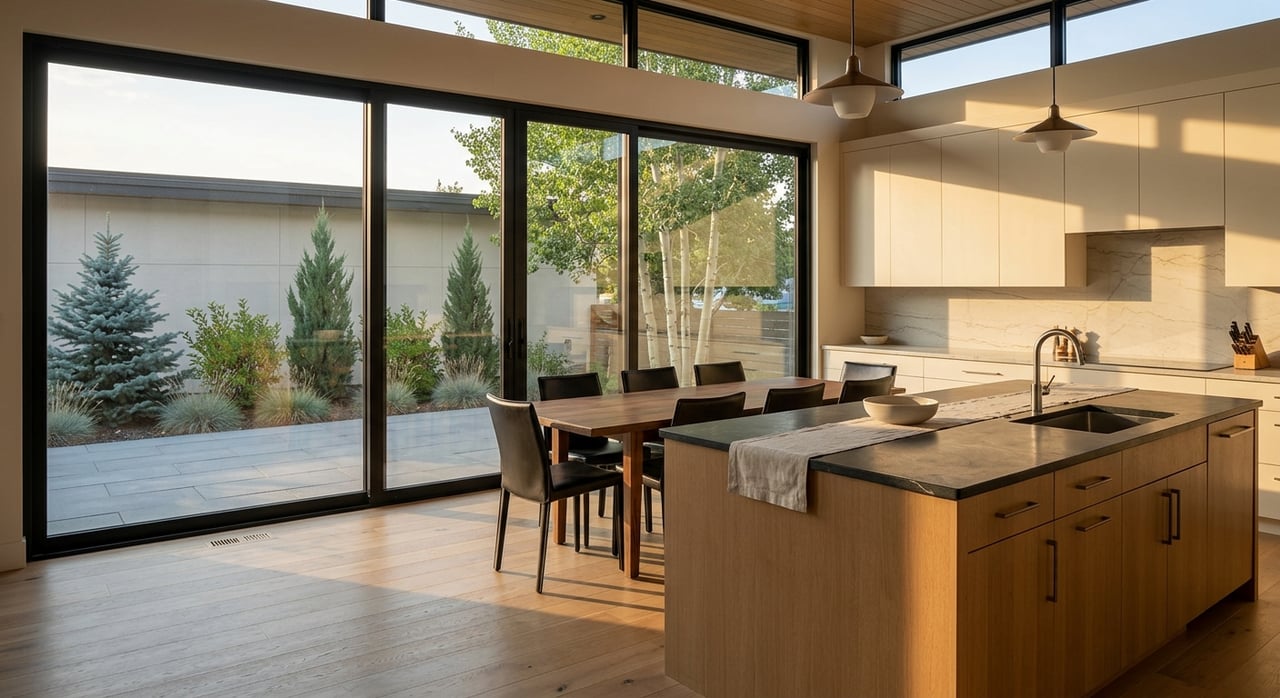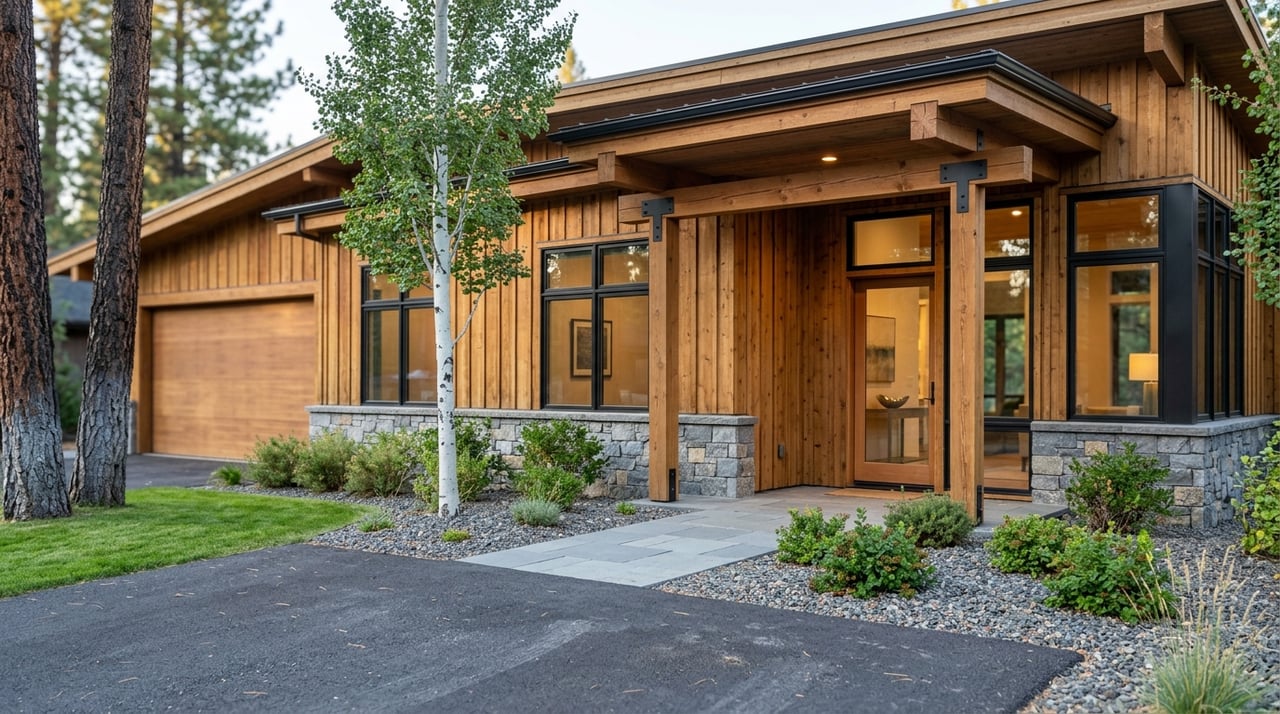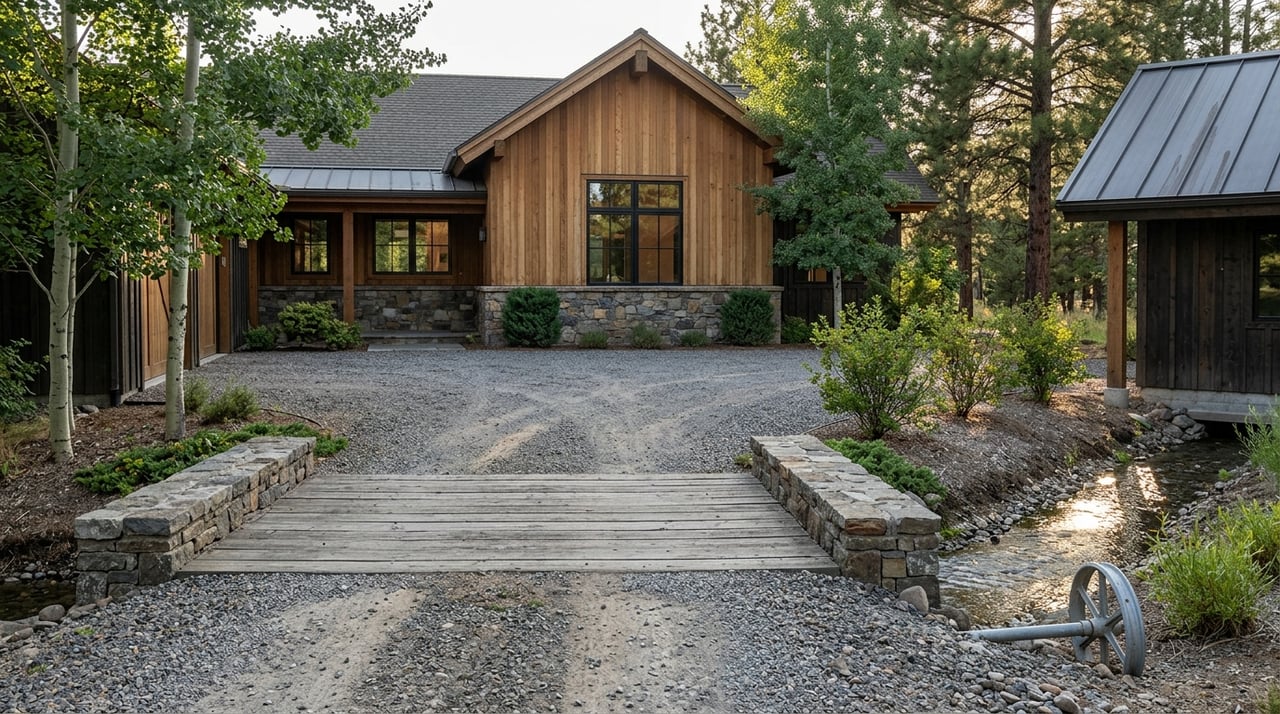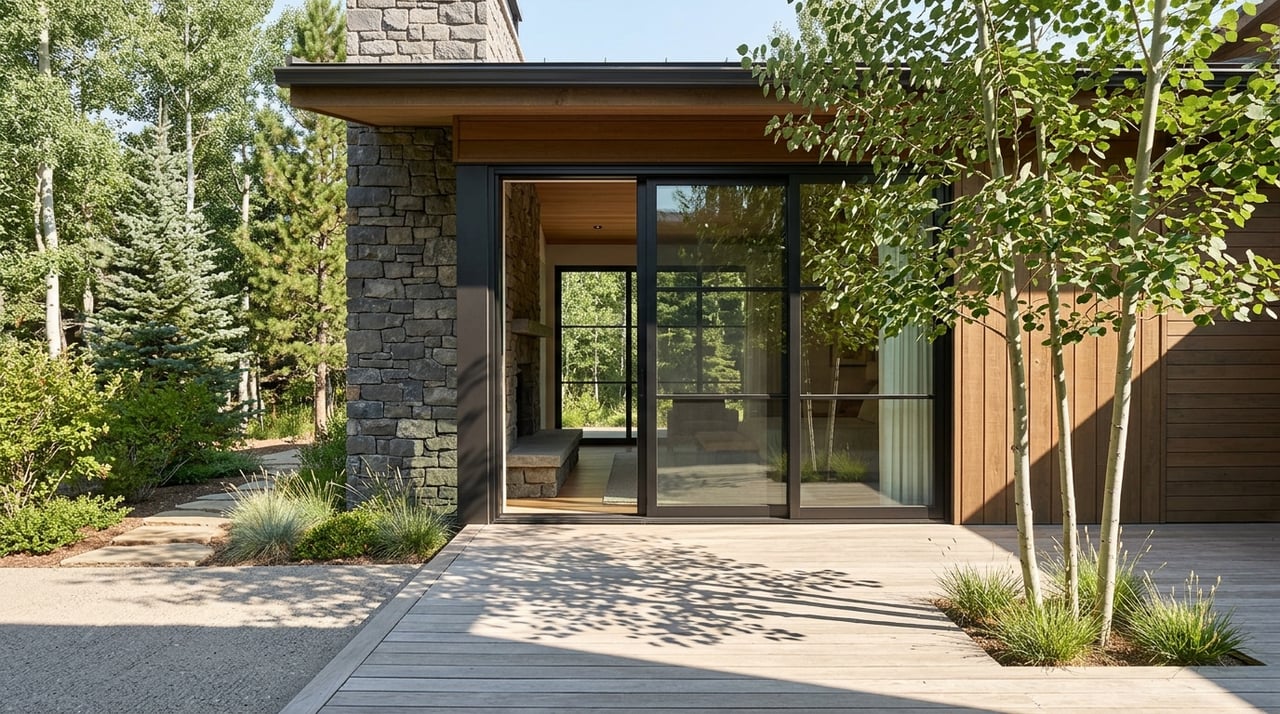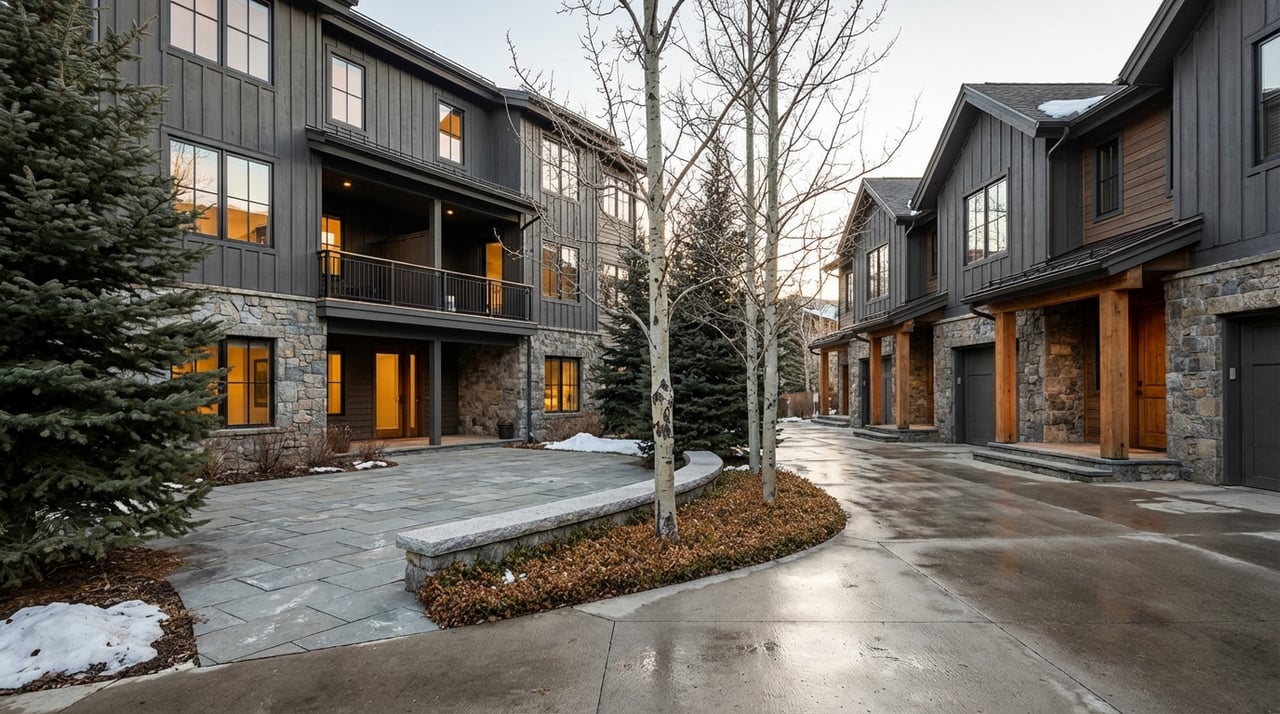
Ski days that start steps from the gondola or a quieter base with a private garage and extra storage. That is the real tradeoff most Aspen buyers face when choosing between a condo and a townhome. If you are weighing options for a primary home or second home, you want a clear view of lifestyle, costs, rental potential, and financing. This guide breaks down the key differences in Aspen so you can choose with confidence. Let’s dive in.
Aspen market context
Aspen is a luxury market with limited inventory, and both condos and townhomes reflect that. Condos remain the most common entry into free‑market ownership, while townhomes typically sit between condos and single‑family homes on price and size. Values move quickly, and per‑square‑foot pricing is among the highest in resort real estate. For current pricing signals by neighborhood and property type, review the latest Estin Report market snapshot.
What you pay each year
Purchase price and taxes
Prices vary building by building and by proximity to the core. Use current local market reports to align expectations for your target size and location. For property taxes, Colorado uses assessed values and local mill levies, and recent state changes affected residential assessment rates. Confirm the likely annual tax using the county’s current methodology and levies before you finalize a budget.
HOA dues and what they cover
Condo associations often include the building shell and major systems, common‑area utilities, and amenities like front desk, pool, or fitness. That level of service can mean higher monthly dues. Townhome or PUD communities may keep dues lower because owners take on more of the exterior, such as roof and siding, depending on the CC&Rs. In Aspen, dues range widely from a few hundred dollars to several thousand per month based on amenities and services, so compare inclusions line by line.
Insurance and wildfire exposure
Insurance costs in Colorado have risen, and wildfire risk can affect availability and premiums. In a condo, the master policy typically covers the structure, while you carry an HO‑6 policy for interiors and personal property. In a townhome, you may need broader dwelling coverage depending on the declaration. Budget conservatively and verify coverage scope with the association and your insurer given statewide premium pressure noted in recent reporting from The Colorado Sun.
Maintenance and special assessments
Condos centralize long‑term maintenance, which can be a plus for convenience. The tradeoff is exposure to special assessments if reserves are underfunded for major projects like roofing or envelope work. Townhomes often shift some of that capital responsibility to you, though shared items like roads or irrigation can still trigger assessments. Always review the budget, reserve study, insurance schedule, and recent meeting minutes to gauge upcoming costs, consistent with guidance in Fannie Mae’s project standards.
HOA structure and your ownership
Colorado common‑interest communities operate under the Colorado Common Interest Ownership Act. Recent updates tightened association registration and collection procedures, which shapes how boards manage budgets and owner obligations. Get the full HOA packet early, and read it. It should include CC&Rs, bylaws, budgets and financials, reserve studies, insurance declarations, meeting minutes, and any litigation disclosures. State updates to association rules are summarized by the Division of Real Estate in this regulatory bulletin.
What you are looking for is simple. The CC&Rs should spell out what you own and what the HOA covers. The reserve study shows whether large replacements are funded. The meeting minutes reveal if there is friction, upcoming projects, or assessment risk that could affect financing and resale.
Short‑term rentals: permits drive value
City of Aspen permits
Inside Aspen city limits, short‑term rentals require a permit. The city recognizes three permit types: Lodging‑Exempt for lodge and condo‑hotel operations, Owner‑Occupied for primary residents with limited nights, and Classic for most other cases. Permit caps and renewals apply in some residential zones, and an STR business license is required. Get full details and check the STR map on the City of Aspen STR page.
Pitkin County rules outside the city
In unincorporated Pitkin County, a separate licensing program applies with tiered fees, night limits in many cases, and eligibility rules that reference prior rental activity. If you are shopping outside city limits, confirm current rules and any zone‑specific restrictions on the Pitkin County STR site.
What this means for condos vs townhomes
Downtown lodge or condo‑hotel buildings often operate under Lodging‑Exempt structures that allow year‑round lodging activity through a manager. That can make renting straightforward if the building permits it under its management contract. Townhomes in residential zones may fall under Classic permits with caps or waitlists. If rental income matters, confirm permitting first, then review the building’s rental rules and any management agreements.
Location and lifestyle tradeoffs
Downtown and the Central Core cluster the most walkable, amenity‑rich condos. Many are one to three blocks from the Silver Queen Gondola and sit close to restaurants and shops. Condo‑hotel properties like the Gant and Aspen Square illustrate how services and proximity command a premium and simplify rental potential.
East Aspen, Smuggler, the West End, and Red Mountain feature more townhomes, attached chalets, and single‑family homes. You often gain square footage, storage, and a garage, plus a quieter residential feel. Access to lifts can be a short drive or shuttle rather than a doorstep walk. If you split time among all four mountains, locations near Aspen Highlands or Buttermilk can trade downtown nightlife for quick access to different terrain.
Financing and resale
Condos undergo project‑level scrutiny for conventional loans. Lenders review the project for warrantability, reserve health, insurance, and other factors. Some condos qualify for limited review, while others may require full review or portfolio financing. Many townhomes and PUDs that convey a fee interest in land may be eligible for waivers from condo project review, which can simplify underwriting. For definitions and review types, see Fannie Mae’s project standards.
On resale, both condos and townhomes can be liquid in Aspen, but the buyer pools differ. A walkable core condo may skew toward seasonal buyers who prioritize convenience and rental potential. A townhome may resonate with longer‑stay users or those seeking more space. For timing and pricing strategy, check recent sales in the building or on the street and use the Estin Report for broader context.
Due‑diligence checklist
- Confirm zoning and STR eligibility using the City STR map or Pitkin County program. Request any current permit and the last 12 months of tax filings if rental income is relevant.
- Order the HOA packet: CC&Rs, bylaws, current budget, last 2–3 years of financials, reserve study, insurance declarations, meeting minutes, litigation disclosures, and assessment history.
- Ask for any project warranty, recent capital project invoices, and structural or envelope inspection reports for older buildings.
- Clarify rental rules and any required rental pools or management contracts. If possible, review a sample P&L or 12‑month booking history.
- Have your lender confirm warrantability early. Obtain the condo questionnaire and understand options if the project is non‑warrantable. Townhomes/PUDs may face fewer project‑level constraints.
- Get an insurance quote tailored to the building’s coverage and verify wildfire considerations.
Which fits you
Choose a condo if you want peak walkability, a lock‑and‑leave setup, and pooled amenities that can support seasonal use and simplified renting where permitted. Expect higher association dues in service‑heavy buildings and more project‑level financing review.
Choose a townhome if you want more private space, a garage for gear and vehicles, and potentially simpler conventional financing. Expect to take on more exterior responsibilities depending on the CC&Rs and to confirm STR eligibility by zone.
When you balance location, ownership costs, rental rules, and financing, the right answer becomes clear. If you want help matching your lifestyle to a neighborhood and building, reach out to Lloyd Tucker. You will get hyper‑local guidance with the marketing reach and resources to execute cleanly.
FAQs
What are the key cost differences between Aspen condos and townhomes?
- Condo dues often run higher because they cover building systems and amenities, while townhome dues can be lower but shift more exterior costs to you.
How do Aspen short‑term rental permits affect my choice?
- City permit types and zone caps can make a downtown lodge‑style condo easier to rent than a townhome in a capped residential zone, so confirm permits first.
Are condos in Aspen harder to finance than townhomes?
- Condos require project review for warrantability under conventional guidelines, while many townhomes or PUDs may qualify for waivers that simplify underwriting.
Do condo HOA dues include insurance on the building?
- The master policy typically covers the structure, but you still need an HO‑6 for interiors and personal property; verify exact coverage with the HOA and insurer.
How close to the lifts can I be with each option?
- Many downtown condos are one to three blocks from the Silver Queen Gondola, while townhomes often trade walkability for more space and a quieter setting.
What HOA documents should I review before buying?
- Ask for CC&Rs, bylaws, current budget, financials, reserve study, insurance declarations, meeting minutes, litigation disclosures, and any assessment history.