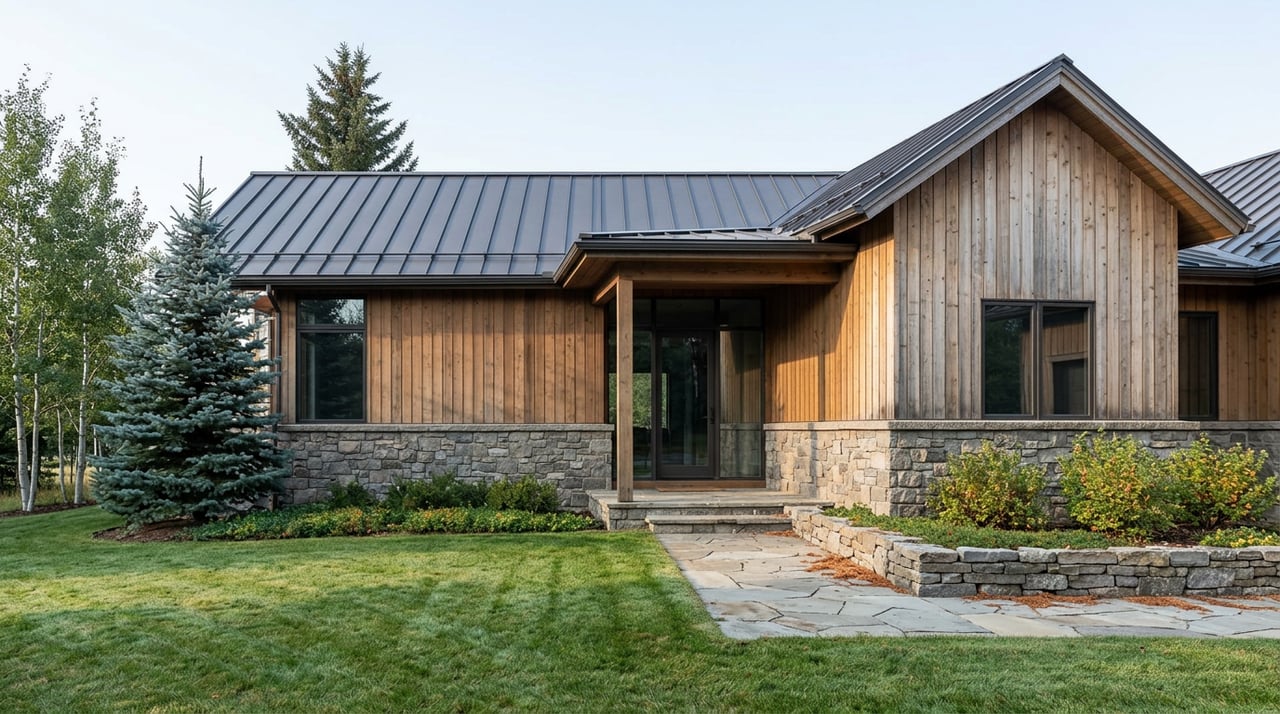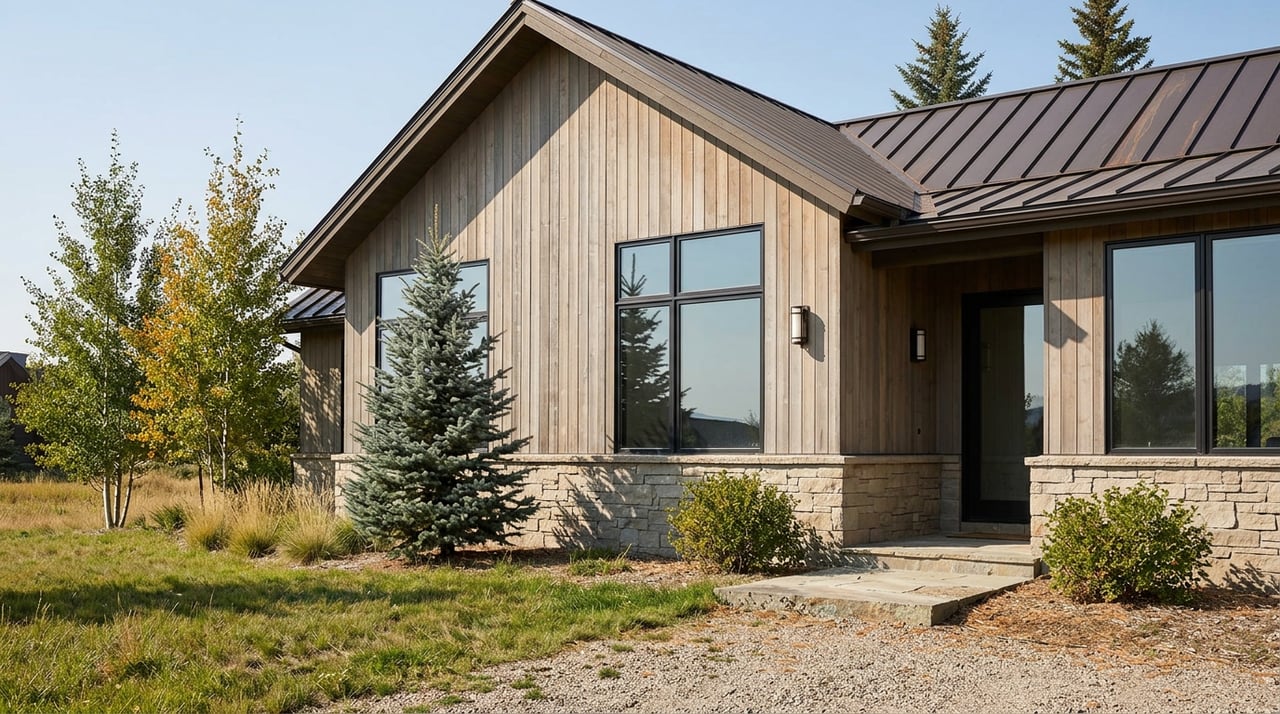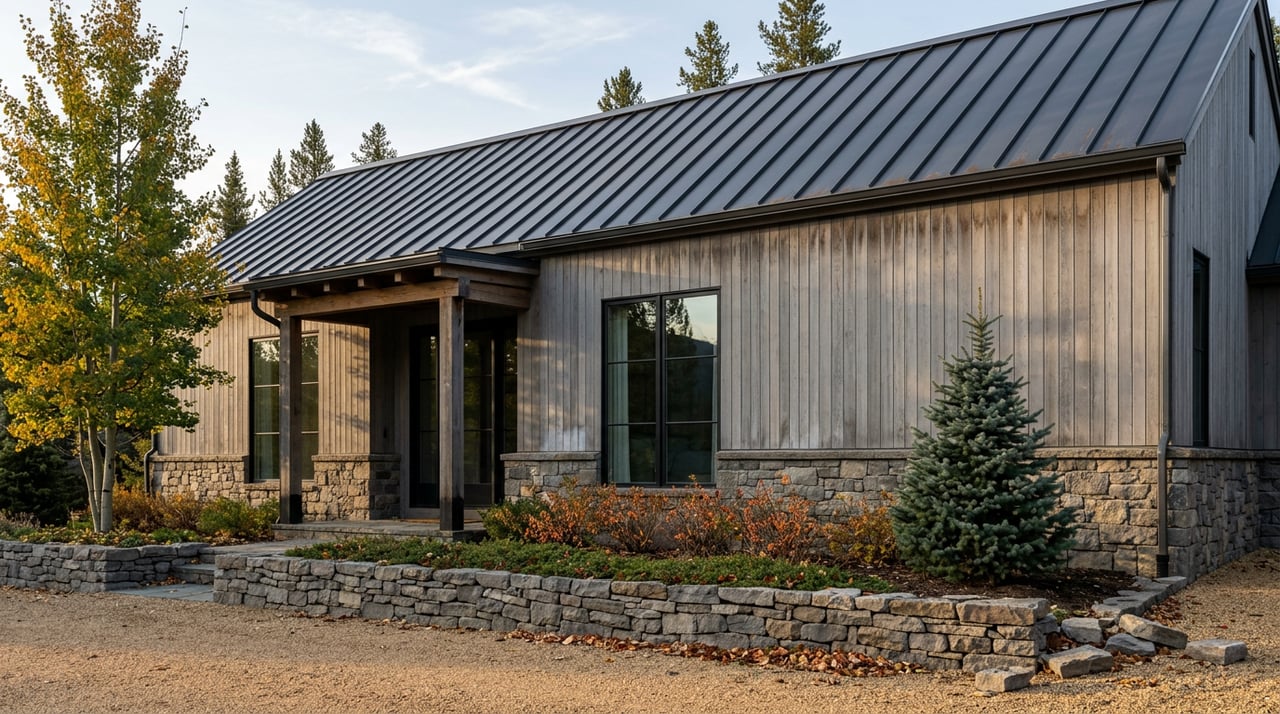
"The effect this has had on the real estate industry has steered development towards the remodel side of things rather than new development."
That's Tim Estin, an Aspen-based broker who tracks the city's redevelopment trends closely, describing what the demolition cap has actually done to redevelopment behavior. Not stopped it. Rerouted it.
If you own an older home in Aspen and you've heard anything about the city's demolition rules, you've heard the six. Six permits a year. A lottery. Long odds. It's the number that shows up in every conversation about tearing down and rebuilding inside city limits, and it's the number most sellers use to decide whether their property has "teardown value" at all.
It's also the wrong number to price against.
The six-permit cap only governs projects that meet the city's formal definition of demolition. That definition turns on a single, specific threshold, and it's the threshold, not the lottery, that determines whether your buyer's project ever has to compete for one of those six slots in the first place. Understand the threshold and you understand what your listing is actually worth to the kind of buyer who's already run these numbers with an architect.
What the Six-Permit Lottery Actually Is
Aspen City Council capped residential demolition permits at six a year in 2022, in response to a moratorium the previous winter over concerns about the pace of teardown-rebuild activity in town. The first year the rule ran, applications were processed first-come, first-served. It did not go well. Thirteen applications came in for six slots, and a single Aspen planning firm's submissions covered eight of those thirteen properties, raising concern that a handful of well-resourced applicants could crowd out everyone else. That scramble was enough for council to scrap the ordering system and move to a lottery at the end of 2023.
The program still carries a carve-out: owners who've held their Aspen home for 35 years or more can apply for two additional allotments each year, separate from the six-permit general pool. At a February 2024 work session, an Aspen attorney representing property owners in a lawsuit against the city over a denied application told council the program "invites controversy and litigation." Roughly a year later, at a January 2025 meeting, Council member John Doyle defended the program on the record: "Every long-term local that has asked for a demolition permit has received one." Mayor Torre, at that same meeting, argued for change: "I am in favor of modifications to the demolition allotment program." The city's own late-2025 planning calendar still listed demolition allotments as a topic awaiting further council action, so whether the six-permit structure survives in its current form remains unresolved as of this writing.
Here's the quick shape of how the rule has moved since it started:
| Date | What Changed |
|---|---|
| 2022 | Six-permit cap introduced; first-come, first-served; one firm's applications covered 8 of 13 competing properties |
| End of 2023 | Council replaces first-come, first-served with a lottery |
| Feb 2024 | City faces litigation over a denied application; attorney publicly calls the program a source of "controversy and litigation" |
| Jan 2025 | Council debates further changes; mayor and a councilman take opposing positions on record |
None of this history changes the price of your house directly. What changes the price is a definition buried a few layers deeper in the code.
The Definition That Actually Decides Your Price
Under Aspen's land use code, "demolition" isn't defined by whether a house comes down. It's defined by percentage. A project only triggers the demolition rule, and only then has to enter the six-permit pool, if it removes 40 percent or more of a structure's existing exterior wall and roof surface area. Interior work doesn't count toward that threshold. Neither does swapping windows and doors on their own.
That 40 percent line means a buyer's architect can gut a home to the studs, reconfigure nearly every room, dig out or expand a basement, and rebuild most of the interior systems, and as long as the exterior walls and roof stay substantially in place, the project never trips the demolition definition at all. No lottery entry. No six-permit competition. No waiting on a program that's currently the subject of a lawsuit.
There's a cost difference built into that choice, too. When a project is classified as demolition, the city calculates affordable housing mitigation fees using the entire finished square footage of the new structure, including basement, garage, and usable attic space. When a project stays under the 40 percent line and avoids the demolition classification, only the new square footage being added gets counted. For a buyer weighing two paths to the same finished home, the remodel path is often the one that avoids both the lottery and a larger mitigation bill.
This is the part that matters if you're pricing an older home for sale. The buyer competing for your listing isn't only weighing your asking price against the six other properties that might win a permit this year. They're weighing it against every renovation project in town that can get most of the way to a full rebuild without ever showing up in the city's demolition data at all. That's a much bigger competitive set than "teardown value" usually accounts for, and it tends to push the ceiling on what a lottery-dependent listing can command.
What This Means If You're Selling an Older Home
A few things worth doing before you settle on a listing price, particularly if your home was built decades ago and you or your agent have been assuming its value rests on redevelopment potential:
- Get a read from an architect or land use planner on whether a buyer's likely project would actually trip the 40 percent threshold, or whether it could be structured as a remodel instead. That answer changes what kind of buyer your home is competing against.
- Ask whether your property carries any historic designation. The city's Community Development Director has discretion to exempt historically designated landmarks from some or all of the standard demolition and redevelopment requirements, which is a different set of rules entirely.
- If you've owned the home for close to or more than 35 years, understand that you may qualify for the separate longtime-owner allotment pool, which doesn't compete against the general six-permit lottery.
- If your property sits near the city and county line, know that Pitkin County said in early 2025 it planned to introduce similar code changes for unincorporated land later that year, which matters for the handful of Aspen-area properties where jurisdiction isn't obvious at a glance.
None of this is legal advice, and the program's own future is genuinely unsettled. A buyer who structures their offer around winning a demolition permit is taking on real timing risk in a system that's currently being litigated and periodically reconsidered by the city council. A seller who prices a listing as if that permit is guaranteed is passing that same risk downstream without necessarily disclosing it. The more honest framing, for both sides of the transaction, starts with the 40 percent threshold rather than the headline number of six.
Frequently Asked Questions
Does every renovation of an older Aspen home have to enter the demolition lottery? No. Only projects that remove 40 percent or more of a structure's existing exterior wall and roof surface area are classified as demolition under the city's code. Interior renovations and smaller-scope exterior work can proceed through the standard permitting process without ever entering the six-permit pool.
How are the two extra permits for longtime owners different from the six-permit lottery? They're a separate track. Owners who've held their Aspen home for 35 years or more can apply for one of two additional allotments each year, outside the general lottery that the rest of the market competes for.
Is the demolition cap likely to change? It's an open question. The program has been the subject of council debate since at least early 2024, was still listed on the city's late-2025 planning calendar as a topic awaiting further action, and has been tied up in litigation over at least one denied application. Anyone pricing a transaction around the program's current rules should treat those rules as unsettled rather than fixed.
Does a historic designation change any of this? Yes. The city's Community Development Director has discretion to exempt historically designated landmark properties from some or all of the standard demolition and redevelopment requirements, which is a separate process from both the general lottery and the longtime-owner allotments.
If you're weighing whether to list an older Aspen home as a remodel candidate or a redevelopment opportunity, the pricing conversation should start before the sign goes in the yard. Lloyd Tucker has spent years working both sides of these transactions in the Roaring Fork Valley and can walk you through what a realistic buyer pool looks like for your specific property. Schedule a tour or request a valuation to get a clear read on where your home actually sits in this market.