If you are drawn to the idea of living near the water in Basalt, you are not alone. River-adjacent homes here offer a rare mix of scenery, recreation, and a strong connection to the landscape, but they also come with property-specific questions that deserve careful review. If you understand both the lifestyle and the due diligence before you buy, you can make a more confident decision. Let’s dive in.
Why Basalt Feels Like a River Town
Basalt’s identity is tied closely to the confluence of the Fryingpan and Roaring Fork Rivers. The town’s history traces back to settlement beside the Fryingpan River, and that river connection still shapes how many people experience Basalt today.
For you as a buyer, that river setting can mean more than a nice view. It can influence how you spend your mornings, weekends, and every season in between, especially if you want easy access to the outdoors without leaving town.
River Lifestyle in Basalt
The river corridor supports a broad range of recreation. According to Colorado Parks and Wildlife, the Roaring Fork upstream of the Fryingpan offers quality-sized brown and rainbow trout, with public access points for shore, wade, and float anglers.
Beyond fishing, the local watershed supports rafting, kayaking, stand-up paddleboarding, and wildlife viewing. That helps explain why homes near the water often appeal to buyers who want daily access to recreation along with the visual calm that comes from living near a river.
Basalt’s public parks also add to that appeal. Several sites include river access and boat-launch amenities, and Midland Park includes riparian wetlands and an elevated boardwalk, which adds another way to enjoy the river environment close to town.
Not All River-Adjacent Homes Feel the Same
One of the biggest mistakes buyers can make is assuming every river-adjacent property offers the same experience. In Basalt, river living is highly reach-specific, which means the location along the water matters as much as proximity itself.
The Roaring Fork Conservancy notes that recreation in the Basalt area is often limited to in-stream fishing and passive enjoyment. It also notes that downstream of the Wingo Bridge, boating and bank-fishing opportunities can be constrained by access, channelization, obstacles, and low bridges.
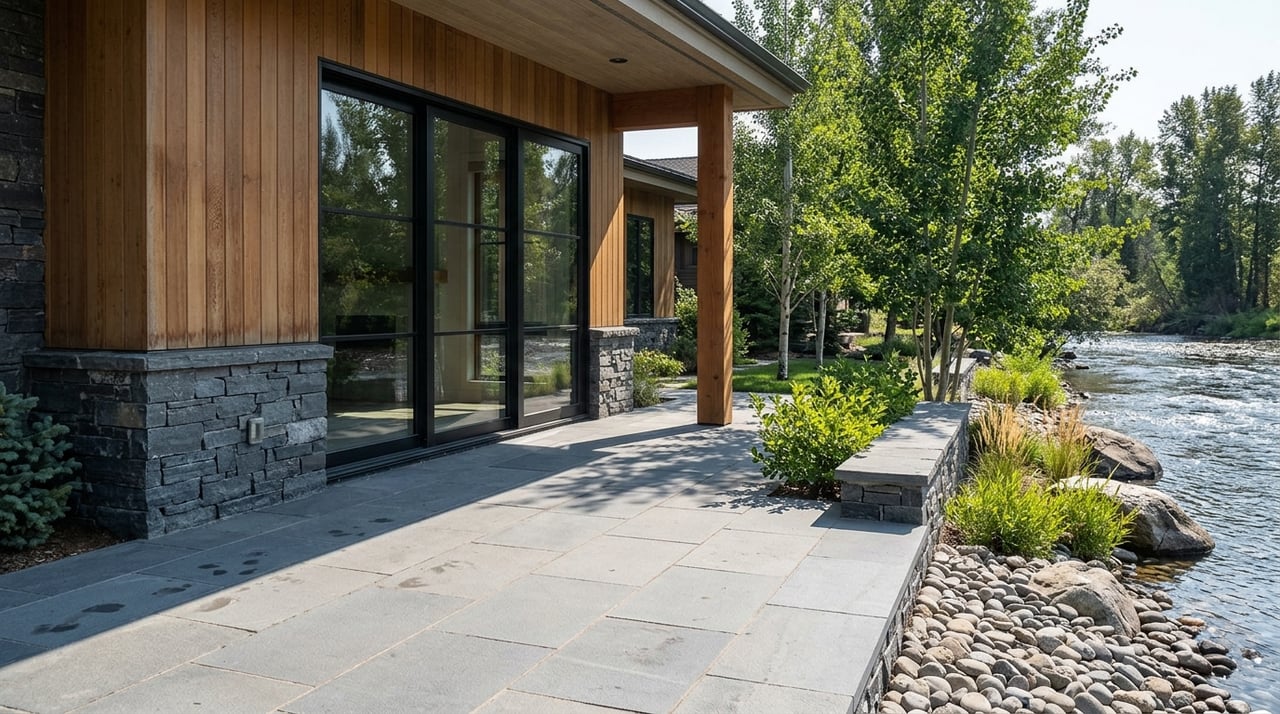
That means a home can sit close to the water without giving you simple bank access, a launch point, or the quiet river use you may picture at first. In practical terms, you want to evaluate what “river-adjacent” actually means for that specific parcel.
Roaring Fork vs. Fryingpan
The nearby Fryingpan River offers a different kind of setting. The Forest Service states that the reach from Ruedi Dam to the confluence with the Roaring Fork is Gold Medal Water, with special regulations that allow artificial flies and lures only and impose a more restrictive trout limit than general waters.
For buyers, that distinction matters. Downtown confluence living, lower Roaring Fork access, and the tailwater environment east of town can each offer a very different day-to-day experience, even though all fall under the broad idea of river living in Basalt.
Why Riparian Condition Matters
When you look at a river-adjacent property, the bank and vegetation are not just cosmetic details. Healthy riparian areas play an important role in wildlife support, water quality, flood-water absorption, pollution filtering, bank stabilization, and water savings, according to Roaring Fork Conservancy.
Pitkin County also describes wetlands and riparian areas as natural filters and buffers. That means the condition of the vegetation, drainage, and river edge can affect both livability and long-term property considerations.
If you are comparing homes, pay close attention to how the river edge looks and functions. A beautiful lot is one thing, but a well-functioning river corridor can be just as important.
Start With Jurisdiction
Basalt spans both Pitkin and Eagle counties, so the first due diligence step is confirming exactly where the parcel sits. The town includes parts of both counties, and that can affect permitting, floodplain review, and development questions.
Before you write an offer, confirm whether the property is inside town limits or in unincorporated county land. That single detail can shape which offices you need to contact and what rules may apply.
Review Floodplain Status Early
Floodplain questions should come up early in your review, not after you are under pressure to close. FEMA’s Map Service Center is the official public source for flood maps, while Pitkin County says its updated flood maps and studies are available through Community Development.
If the property is in unincorporated Eagle County, the county states that a floodplain development permit is required for work in the unincorporated floodplain overlay zone. That makes it important to understand not only current use, but also any future plans you may have for improvements.
Floodplain questions to ask
- Is the property in a Special Flood Hazard Area or floodway?
- Are there elevation certificates available?
- Were there prior flood claims or flood repairs?
- Would any planned improvement require a floodplain permit?
Check Setbacks and River Improvements
Setbacks can affect what exists on the property today and what you may be allowed to do later. Pitkin County applies 100-foot stream setbacks to all rivers, streams, and creeks, and parcel-level review matters because site conditions and approvals can vary.
Research also shows that Basalt has approved at least one river setback waiver for construction within a 50-foot river setback. That does not mean a waiver will apply to another property, but it does show why you should verify the exact conditions for the parcel you are considering.
Setback and site questions to ask
- What exact river or stream setback applies to this parcel?
- Are decks, patios, retaining walls, driveways, or hardscape inside a setback or floodplain?
- Would bank stabilization, dredging, irrigation work, revegetation, or bridge work trigger permits?
Understand Water Rights and Utility Service
River-adjacent property can involve more than just location and views. Water rights, ditch rights, utility service, and diversion features can all affect how you use and maintain the property.
Pitkin County notes that a ditch crossing a property does not automatically give the owner the right to use the water. It also states that the deed is the starting point for determining whether water rights were transferred, and that springs and seeps usually require water rights.
Basalt also has different water service areas. East Basalt is served by the town’s municipal water system, while west Basalt is served by Mid-Valley Metro District.
Water and utility questions to ask
- Do the deed, title commitment, or HOA documents show any water rights or ditch rights?
- Is there a spring, seep, ditch, or diversion structure on or near the lot?
- Is the home served by town water, metro district water, or a private well?
Look Closely at Site Condition
A river setting can change over time, so site condition deserves a careful look. Bank erosion, visible high-water marks, prior flooding, and drainage patterns can all provide clues about how the property functions during runoff or storm events.
You should also understand who maintains any bank area, access drive, drainage swales, shared paths, or easements. These details can affect both your responsibilities and your long-term experience as an owner.
Pitkin County also notes that active ditches can change flow levels without warning. It further explains that ditch owners may have the right to enter private property to inspect, operate, maintain, and repair the ditch.
Maintenance questions to ask
- Is there evidence of bank erosion, high-water marks, or prior flooding?
- Who maintains the bank, access drive, drainage swales, or shared easements?
- Are there ditch maintenance access rights or abrupt flow changes to account for?
Who You May Need to Contact
A smart review of a Basalt river-adjacent property often involves several local offices. The right contacts depend on whether the parcel is in town, in Pitkin County, or in Eagle County.
A practical starting list may include:
- Town of Basalt Planning and Zoning for development questions
- Town of Basalt Water Department or Mid-Valley Metro District for service boundaries
- Pitkin County Community Development and Engineering for floodplain, wetlands, and access questions
- Eagle County Engineering for unincorporated floodplain permitting
- FEMA Map Service Center for map research
- U.S. Army Corps of Engineers for wetland and stream work
- Colorado Parks and Wildlife or the Forest Service for recreation-specific rules
- Roaring Fork Conservancy for local watershed, access, and stewardship context
The Bottom Line on Buying Near the River
River-adjacent living in Basalt can be incredibly rewarding. You may gain easy access to fishing, paddling, trails, parks, and the daily sense of place that comes from living close to moving water in one of the Roaring Fork Valley’s most distinct communities.
At the same time, the best purchase decisions usually come from slowing down and asking precise, parcel-specific questions. In a market like Basalt, the difference between a great fit and a frustrating surprise often comes down to access, setbacks, floodplain status, water service, and site condition.
If you want local guidance on evaluating river-adjacent homes in Basalt or anywhere in the Roaring Fork Valley, Lloyd Tucker can help you schedule a tour or request a valuation.
FAQs
What makes river-adjacent living in Basalt appealing?
- Basalt’s setting at the confluence of the Fryingpan and Roaring Fork Rivers gives you access to scenery, fishing, paddling, parks, wildlife viewing, and a strong connection to the local landscape.
What should you verify before buying a river-adjacent home in Basalt?
- You should confirm jurisdiction, floodplain status, setbacks, possible permit requirements, water rights, utility service, site condition, and any maintenance or easement obligations tied to the parcel.
How does the Fryingpan River differ from the Roaring Fork in Basalt?
- The Fryingpan River east of town includes a Gold Medal tailwater reach with special fishing regulations, while the Roaring Fork near Basalt can offer a different mix of access, recreation, and river conditions depending on the exact reach.
Why does jurisdiction matter for a Basalt river-adjacent property?
- Basalt spans both Pitkin and Eagle counties, and whether a parcel is inside town limits or in unincorporated county land can affect permitting, floodplain review, and development rules.
Can a river-adjacent property in Basalt be close to water but still have limited access?
- Yes. Some reaches near Basalt have constraints related to access, channelization, obstacles, and low bridges, so proximity to the river does not always mean easy bank access or launch access.